Seasonal Trends in AI: Preparing Your Business for the Future


As the landscape of technology continues to evolve, businesses must stay ahead of the curve to remain competitive. One of the most dynamic areas of growth is artificial intelligence (AI), which is transforming industries across the globe. Understanding seasonal trends in AI can help your business prepare for the future, ensuring you're ready to leverage these powerful tools effectively.
Understanding AI Seasonal Trends
AI trends tend to vary throughout the year based on technological advancements, market demands, and consumer behaviors. Recognizing these patterns can provide valuable insights for strategic planning. For instance, the start of the year often sees a surge in AI research and development, driven by new fiscal budgets and goals.
Midyear, businesses focus on integrating AI technologies to improve operational efficiency and customer service, while the end of the year typically involves evaluating AI performance and planning for the next cycle. Identifying these trends helps businesses allocate resources effectively and maximize their AI investments.
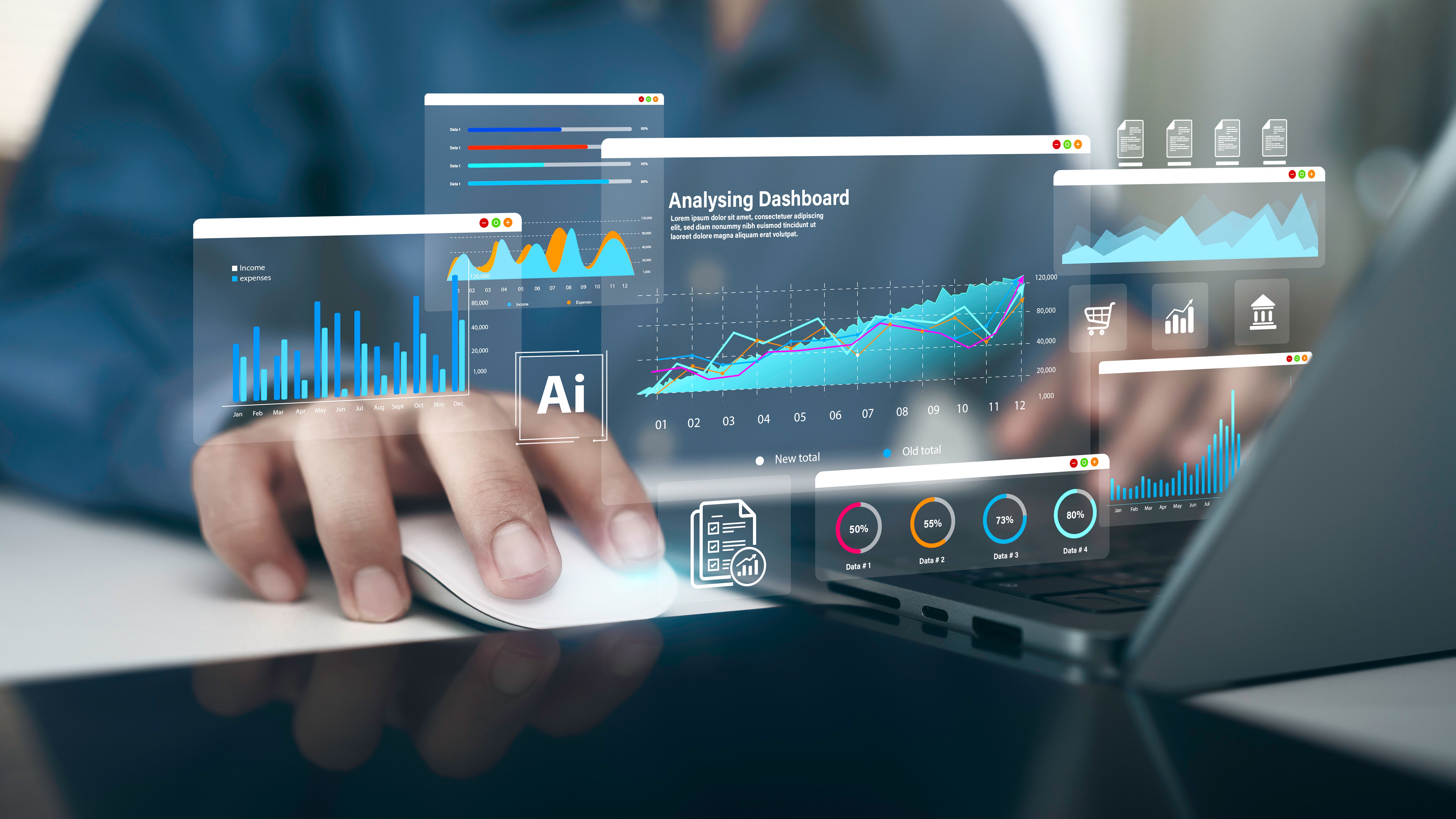
Adapting to Technological Advancements
Technological advancements in AI occur rapidly, making it crucial for businesses to adapt. Innovations such as machine learning, natural language processing, and computer vision are continuously reshaping what's possible. Keeping up with these changes requires a proactive approach, including investing in employee training and upgrading existing systems.
Regularly attending industry conferences and webinars can also provide insights into cutting-edge developments and help businesses anticipate future trends. This proactive stance ensures that your business remains at the forefront of AI technology.

Leveraging AI for Customer Engagement
One of the most significant benefits of AI is its ability to enhance customer engagement. Seasonal trends can impact consumer behavior, providing opportunities for businesses to tailor their AI strategies. For example, during the holiday season, AI-driven personalization can enhance marketing campaigns, offering customized recommendations and promotions.
Using AI to analyze customer data allows businesses to understand preferences and behaviors, enabling more targeted and effective engagement strategies. This level of personalization can significantly improve customer satisfaction and loyalty.
Preparing for Future AI Challenges
While AI offers numerous opportunities, it also presents challenges that businesses must be prepared to face. As AI systems become more sophisticated, issues such as data privacy, ethical considerations, and regulatory compliance become increasingly important.
To address these challenges, businesses should establish clear guidelines and policies for AI use. Collaborating with industry experts and staying informed about legal developments can help navigate these complexities and ensure responsible AI implementation.

Building a Resilient AI Strategy
Developing a resilient AI strategy involves continuous assessment and adaptation. Businesses should regularly evaluate their AI initiatives to identify areas for improvement and adjust their strategies accordingly. This includes setting measurable goals, tracking performance metrics, and being open to change.
By fostering a culture of innovation and flexibility, businesses can better navigate the ever-changing AI landscape, ensuring long-term success and competitiveness.